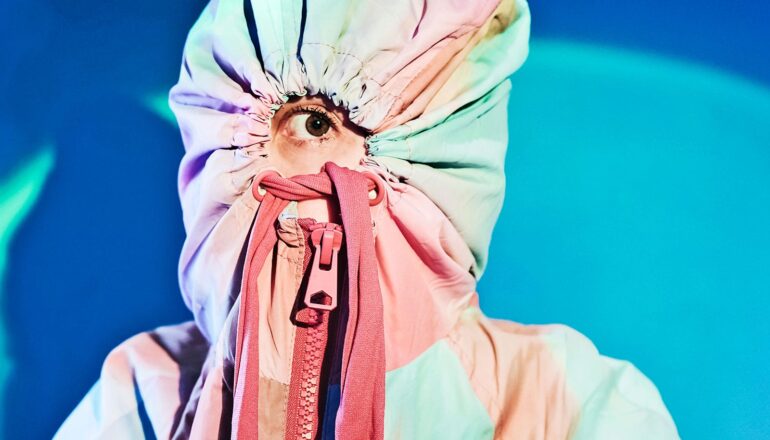
The decision to reveal or conceal a core part of one’s identity may seem like a small, everyday choice, but new research suggests those moments can have meaningful consequences for emotional well-being.
The study found that sexual and gender minority (SGM) young adults who felt compelled to hide their identities were more likely to experience emotional distress and uncertainty about themselves. In contrast, participants who felt able to be open about who they are reported greater confidence, self-understanding, and positivity.
The findings offer a rare glimpse into the day-to-day experiences that shape mental health among sexual and gender minority individuals—a population that experiences higher rates of depression than their non-SGM peers.
The research adds to growing empirical evidence for something many of us intuitively understand: Social norms and institutional policies that limit identity expression have a very real negative mental health impact, not just in the long term but in each moment that someone feels pressure to hide an important piece of themselves, says Sienna Nielsen, a University of Michigan psychology graduate student and study lead author.
According to Nielsen and colleagues, building a strong queer community to resist this effect is crucial in a period of intense anti-LGBTQ+ attitudes and legislation. Many studies have documented mental health disparities among sexual and gender minority populations, but we know much less about how those challenges unfold in everyday life.
“Our findings suggest that daily experiences related to identity visibility may play an important role in emotional well-being,” Nielsen says.
The researchers followed 252 SGM young adults over eight days, collecting more than 4,300 real-time reports about participants’ emotions, identity experiences and social interactions. The study primarily included bi+ cisgender women and nonbinary individuals assigned female at birth.
The researchers examined how participants felt when they concealed or openly expressed their sexual or gender identities. They found that moments of concealment were associated with greater emotional strain and lower confidence in one’s sense of self. Conversely, being open about one’s identity was linked to stronger feelings of self-clarity and identity positivity.
While the researchers did not find a direct link between these day-to-day experiences and depression symptoms during the study period, negative emotions appeared to play an important indirect role, particularly when participants felt pressure to hide aspects of who they were.
The findings highlight how seemingly ordinary interactions can accumulate over time and influence emotional health.
“Being able to live authentically may help reinforce a stronger sense of self, while concealing important aspects of identity can create emotional challenges that affect daily well-being,” Nielsen says.
The researchers say the study provides an important foundation for future work aimed at understanding and reducing mental health disparities among sexual and gender minority populations.
The study appears in Clinical Psychological Science.
Additional coauthors are from UM and the University of Pittsburgh.
The research was supported by the University of Pittsburgh Clinical and Translational Science Institute.
Source: University of Michigan
The post Hiding who you are can have real effects on your mental health appeared first on Futurity.
from Futurity https://ift.tt/gAKxEeL

No comments:
Post a Comment