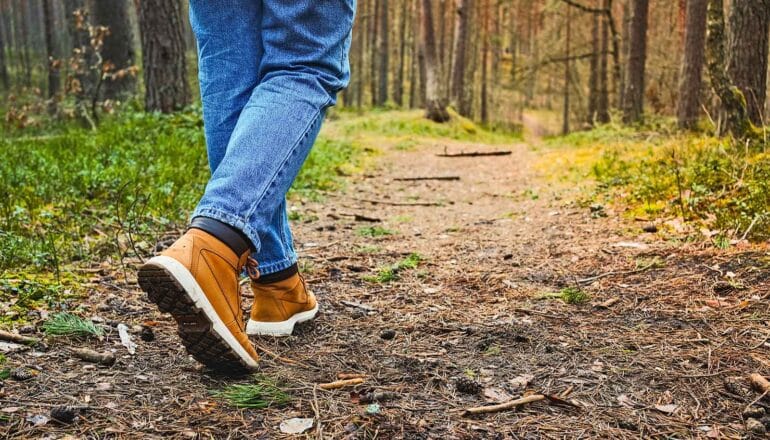
A researcher asked hundreds of hikers and trail runners what they were carrying on their wilderness treks. Many were less prepared than they should be.
With the arrival of warmer weather across the United States, outdoor enthusiasts are returning to America’s parks and forests to hike and run on the country’s beautiful, often remote, networks of trails. But along with the influx of visitors comes a rise in wilderness emergencies, some of them requiring complex and expensive search and rescue operations.
In a single week in April in New Hampshire’s White Mountains, seven hikers were rescued and another was found dead on a trail after he didn’t return from a solo backpacking trip.
A new paper from a Boston University researcher seeks to curb such incidents with first-of-its-kind data on the preparedness of day hikers and trail runners; the results could help educate adventurers on what to pack and know before they venture into the wilderness.
In a survey of more than 600 visitors to Rocky Mountain National Park in Colorado, the Boston University School of Public Health’s John Lambert asked those returning from a day hike or a trail run about their wilderness experience and the gear they had with them.
Survey participants were categorized as wilderness prepared if they were carrying at least one liter of water, seven emergency items from the National Park Service’s “Ten Essentials” list, a map or equivalent wayfinding device, and either two rescue devices or eight of 15 recommended first aid items.
His study, published in Wilderness & Environmental Medicine, found most hikers and trail runners—especially those with less previous wilderness experience—were not carrying the necessary emergency gear and were not adequately prepared for higher altitudes. He concluded these were problems parks could alleviate with more targeted educational outreach, known as preventative search and rescue (PSAR).
“From a public health perspective, honestly, anytime outside is great,” says Lambert, a BU Center for Climate & Health researcher. “That being said, you still have to be smart about it, and being prepared can save your life or someone else’s.”
Here, Lambert digs into his research and how hikers can better prepare for the wilderness:
The post You’re probably not carrying the right safety gear when you hike appeared first on Futurity.
from Futurity https://ift.tt/HinwrV7

No comments:
Post a Comment