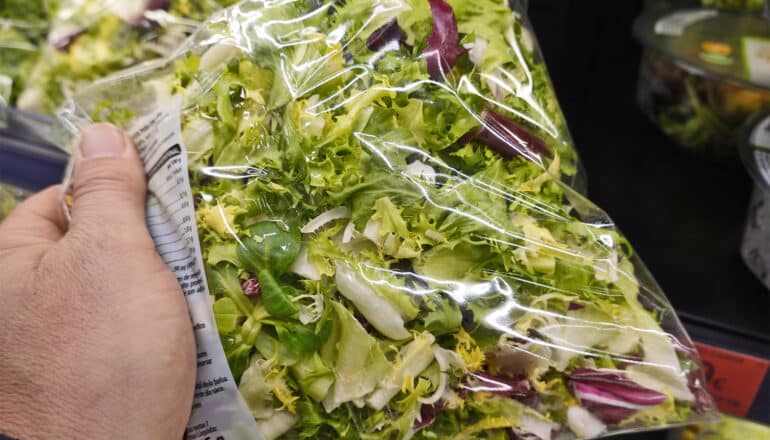
News reports in early July that consumption of produce could lead to a parasitic infection left people wondering “what the fruit?” as their hopes for refreshing smoothies or crisp salads were dashed.
The parasite, cyclospora, spreads through food or water contaminated by infected fecal matter from human beings. Headlines warned of “explosive diarrhea” and a slew of symptoms including muscle aches, fatigue, and nausea.
Weeks later, reported cases were in the thousands, with Michigan and New York among the states with the highest numbers. Lettuce emerged as the lead culprit when a sample was found positive for cyclospora, but the clarity offered from the news was quickly lost when a recent FDA announcement negated its previous findings. Consumers are wary. Restaurants, fast-food establishments, and retailers have removed ingredients from their menus and off their shelves as a precaution.
How did this happen, and what steps can be taken to protect ourselves?
Carolyn Dimitri is an NYU Steinhardt professor who has authored numerous articles related to agricultural production, the food supply chain, and organic food systems.
Here, the food systems and policy expert explains the circumstances behind the farm-to-bathroom journey of this outbreak and others like it:
The post Tips to avoid the ‘explosive diarrhea’ parasite appeared first on Futurity.
from Futurity https://ift.tt/aD0RIbO

No comments:
Post a Comment